
Downsizing Your Home: Halifax & Central Nova Scotia
Selling a long-held family home and moving to a more manageable space is both a major financial transition and an emotional milestone. Based in the Halifax Regional Municipality (HRM), I help empty nesters, retirees, and executors manage this transition throughout Greater Halifax, the South Shore, the Eastern Shore, the Annapolis Valley, and the Truro corridor.
Not everyone who sells a family home intends to buy another one. Whether you are transitioning into a rental apartment, moving to a 55+ community, or looking to purchase a condo or smaller detached home, my role is to manage the real estate logistics. I provide accurate market valuations, coordinate the preparation and sale of your current property, and help you navigate your next step at a pace that feels comfortable to you.
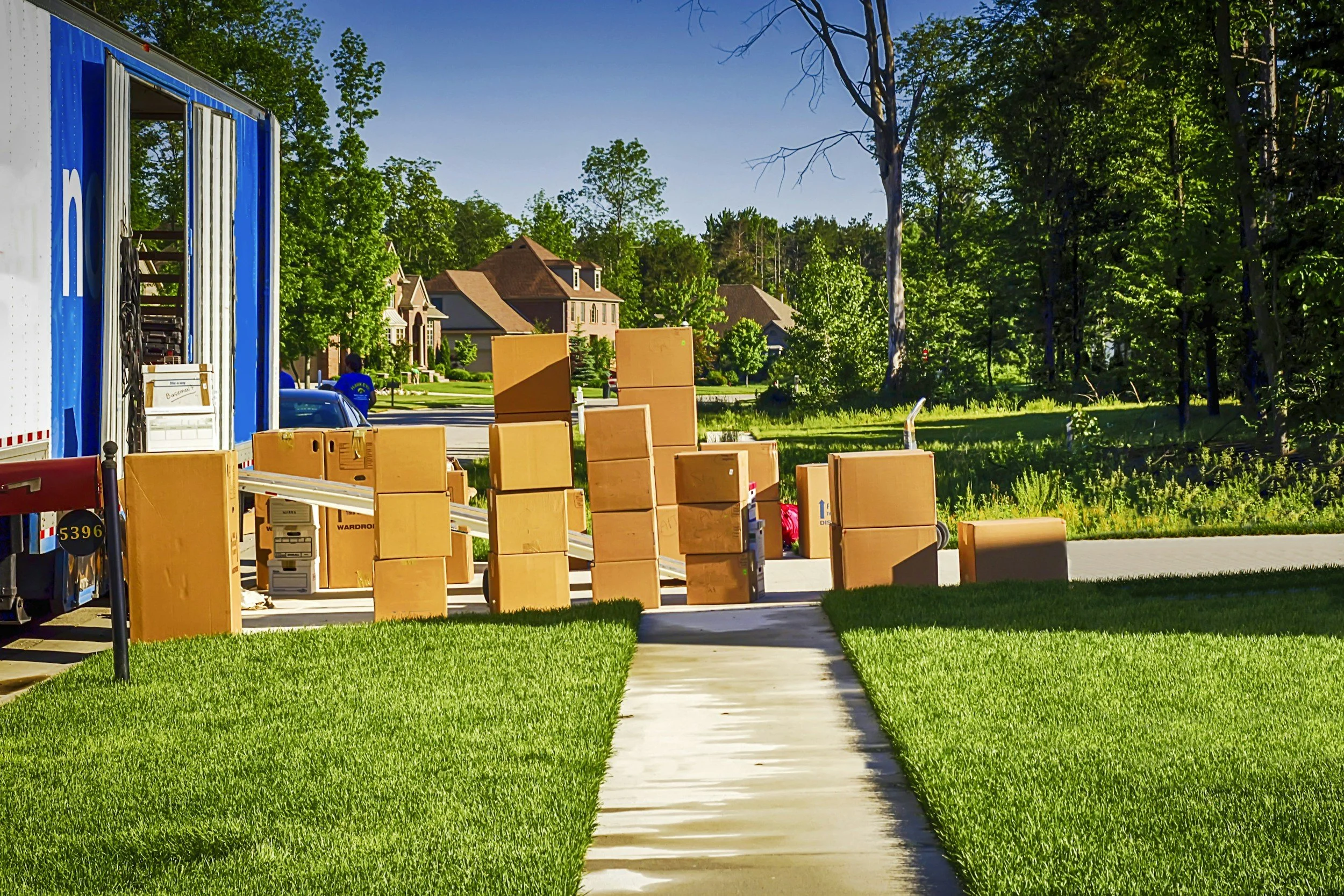
Finding Your Next Space: Houses, Condos, Rentals & 55+ Living
Downsizing is about finding a lifestyle that works for your current needs. Depending on your goals, you have several options:
Transitioning to an Apartment or 55+ Community:
Many downsizers choose to cash out their equity entirely and move into a rental apartment. I have extensive knowledge of the various 55+ housing options and apartment communities across the region. If you choose this route, we focus strictly on preparing and selling your home on a timeline that seamlessly aligns with your new lease.
Buying a Condo:
Condo living removes exterior maintenance, but it introduces new considerations like condo fees, reserve funds, and bylaws. I am highly familiar with the condo market across HRM. If a condo is your goal, I will help you review the building’s financial health and strata rules to ensure it is a sound investment before you buy.
Buying a Smaller Detached Home:
If you want to maintain a private yard and independence on a smaller scale, we will target single-level living options (like bungalows or slab-on-grade homes) that allow you to age in place comfortably.
Financial Considerations & Transition Costs
When downsizing in Nova Scotia, the math looks different than when you first bought your home. While I handle the market data and real estate logistics, I always recommend consulting your financial advisor or accountant to map out your complete financial picture.
The Principal Residence Exemption:
In Canada, if the home you are selling has always been your primary residence, the profit is typically exempt from capital gains tax under the Principal Residence Exemption. If the property was used as a rental or a secondary home, different tax rules apply. Always confirm your specific tax status with your accountant.
Property Taxes & The Nova Scotia CAP:
Moving to a smaller home does not automatically guarantee a lower property tax bill. Nova Scotia’s Capped Assessment Program (CAP) limits tax increases on the home you currently own. When you purchase a new property—even a smaller condo or bungalow—the CAP resets, and the new property will be assessed at its current market value. We will factor these new carrying costs into your budget.
Seller Closing Costs:
When selling, you should budget for your real estate lawyer’s fees to discharge your mortgage and transfer the deed, real estate commission fees, and potentially any mortgage penalty fees if you are breaking an existing mortgage early.
The Strategy: Should You Buy First or Sell First?
One of the biggest decisions in downsizing is timing the transition. We will look at current MLS data for both your current neighborhood and your target destination to decide the best path:
Selling First (The Safest Route):
Selling your current home first gives you a guaranteed, exact budget for your next purchase. It removes the stress of carrying two properties and gives you negotiating power as a buyer. We can often negotiate a longer closing date (e.g., 60 to 90 days) to give you time to find your next home, or you can opt for a short-term rental in between.
Buying First (The Convenience Route):
Buying your new home before selling allows you to move your belongings gradually and prepare your old home for sale while it is empty. However, this usually requires bridge financing from your lender and carries the risk of paying two sets of bills if your current home takes longer to sell than anticipated
Preparing Your Home for the Market
Preparing a home you have lived in for decades can feel overwhelming. We take it one step at a time.
Decluttering & Downsizing:
Start early and focus on the space you are moving into. Use the "one-year rule" for items you haven't used recently, and give yourself time to preserve memories without having to keep every physical object. I can connect you with trusted local professionals, including professional organizers, estate sale companies, and movers, to lighten the load.
Selling a Vacant Home:
If you choose to move into your new property before listing the old one, an empty home is very easy to stage and show to buyers. However, you must notify your home insurance company that the property is vacant, ensure utilities remain on, and arrange for regular property checks to maintain your coverage.
Want a step-by-step checklist to take with you?
Download my complete Downsizing Guide, featuring tips on decluttering, preparing your home for vacancy, and a directory of helpful local professionals.
Frequently Asked Questions for Downsizers
Will my property taxes go down if I buy a smaller home in Nova Scotia?
Not automatically. Because of Nova Scotia’s Capped Assessment Program (CAP), you may be paying artificially low taxes on a home you have owned for many years. When you buy a new property, it is reassessed at current market value. A smaller, newly purchased home can sometimes have higher property taxes than a larger, long-held family home.
Do I have to pay capital gains tax when selling my house in Nova Scotia?
If the property has been your principal residence for the entire time you have owned it, the profit is generally protected from capital gains tax under the federal Principal Residence Exemption. However, you must still report the sale on your income tax return. You should always consult an accountant to confirm your specific situation.
Should I empty my house before selling it?
You do not have to empty your home to sell it, but decluttering significantly helps buyers visualize the space. If you have already moved and the home is completely vacant, we can often sell it just as easily—though you must ensure you update your home insurance policy for a vacant property and maintain regular inspections.
What are the main costs when selling a home in Halifax?
The primary costs to sell a home include real estate lawyer fees (typically $1,000–$1,500 for a straightforward sale), real estate commission (which covers both your listing agent and the buyer’s agent), and any mortgage discharge fees or penalties charged by your lender if you are paying off your mortgage early.
Have Questions?
You can reach out directly any time and download my free Downzsizing Guide as a handy reference.